E-invoicing in Slovakia: Six-Month Extension Proposed for 2027

Slovakia is sticking to January 1, 2027, as the start date for mandatory B2B e-invoicing. At the same time, the government introduced a bill providing for a six-month penalty-free transition period, and the tax authority published additional practical guidance. If you have entities in Slovakia, read on to find out what’s new and what steps […]
Mandatory E-Invoicing in Spain: Deadlines and Implementation Plan for 2027

On October 5, 2026, Order HAC/1028/2026 was published in the Spanish Official Gazette (BOE). This ministerial order sets forth the technical and operational rules for mandatory B2B e-invoicing in Spain. The timeline set forth in Royal Decree 238/2026 from March remains unchanged, but the countdown has now officially begun. If you have Spanish entities, now […]
The Netherlands Announces Mandatory E-Invoicing: What You Need to Know Now

On September 11, 2026, the Dutch government published the long-awaited “Outline Letter on Electronic Invoicing and Reporting.” With this, the Netherlands is taking an important step toward mandatory B2B e-invoicing and e-reporting, closely aligned with the European ViDA framework (VAT in the Digital Age). If you’re a CFO or Finance Manager currently working in the […]
What is a GLN number in e-invoicing and Peppol?

You send a Peppol invoice to a major client, but it never reaches the right department. Or a client suddenly asks you to use their GLN number instead of their VAT number, and you’re not quite sure what to do about it. For finance teams at companies with multiple locations or entities, these kinds of […]
Can I add attachments to a Peppol invoice?
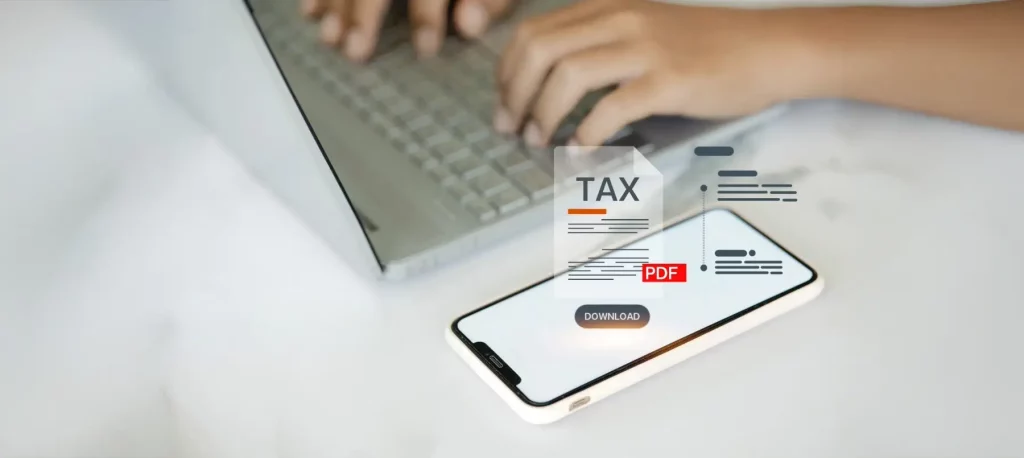
When companies switch to e-invoicing via Peppol, sooner or later the question comes up: can I send attachments along with an electronic invoice? Think an Excel file, work orders, time records or just a PDF copy of the invoice. The good news: yes, you can. Provided you take into account a number of conditions. What […]
How AI and e-invoicing radically improve business processes
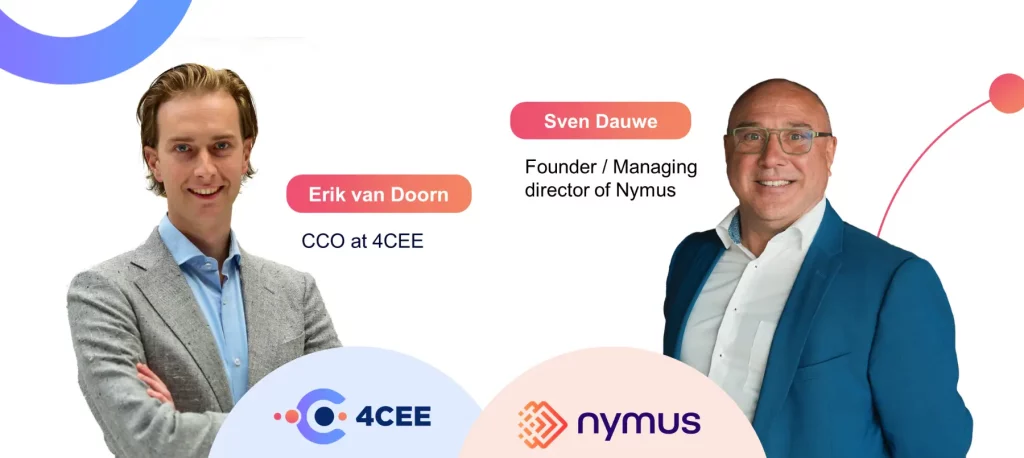
The data that can be collected via e-invoicing can be put to good use in optimizing business operations, think Sven Dauwe, CEO of Nymus, and Erik van Doorn, CCO of Dutch 4CEE. “With that data, repetitive operations can be taken over by AI and employees are able to perform other work that contributes to the […]
Different VAT rates on your invoice: here’s how to process them correctly in Peppol
Anyone who sends invoices via Peppol knows that even the smallest deviation in structure can result in an error message. You especially notice this with invoices containing multiple VAT percentages, for example 6% and 21%. In theory this seems simple, but in practice many Access Points still struggle with this. What can you read on […]
Self-billing in Peppol

E-invoicing is evolving at lightning speed. Where it used to be mostly about moving from paper to digital, today it’s all about automation, efficiency and compliance. A concept that is increasingly emerging within this context is self-billing. But how exactly does that work? And more importantly, how does self-billing fit within Peppol, the network that […]
Non-PO invoices in Peppol & e-invoicing: how to handle it?

Non-PO invoices … almost every finance team finds them troublesome. They don’t come from a formal procurement process, no one is sure who should approve, and they often slow down accounting. With the advent of e-invoicing and Peppol, many companies expect these problems to disappear on their own. But in practice, the opposite often happens: […]
UBL BIS 3 explained: the standard behind Peppol
Every organization in Belgium will have to deal with it sooner or later: e-invoicing and the associated regulations. Behind the scenes, however, everything revolves around one central standard: UBL BIS 3. Whether you send invoices to the government or to your business customers, the correct use of this standard determines whether your invoices can be […]