The law requires structured invoices. We make sure that data also works for your cash flow, your AP and your receivables follow-up.


E-invoicing is sending and receiving invoices in a structured digital format that software can process automatically, without manual input. So an e-invoice is not a PDF or a scan, but a data file that goes directly from one accounting system to another, usually via the Peppol network.
In Belgium, you will also hear the terms electronic invoicing and e-facturatie.
A PDF or scan in your mailbox looks digital, but technically it is just an image of an invoice. Software cannot read the data directly, so someone has to retype it or have it scanned. Legally, a PDF also no longer counts as an e-invoice in Belgium for B2B transactions between Belgian VAT-registered businesses.
The Belgian mandate was introduced in stages. These are the dates your finance team needs to know.
Domestic B2B invoices between Belgian VAT-registered businesses must be sent and received in a structured format, via Peppol.
The three-month grace period is over. If you do not send or receive e-invoices, you risk a fine.
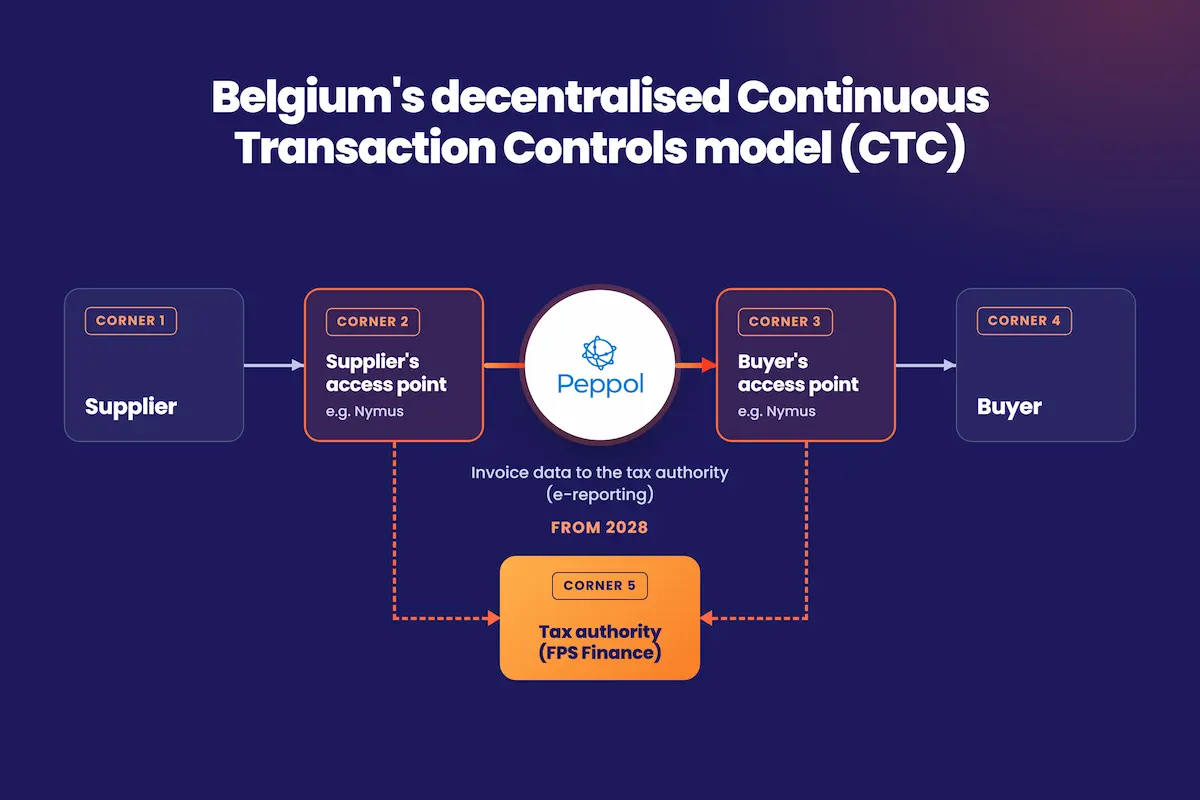
Invoice data goes to the tax authorities in near real time. That is the fifth corner of the Peppol model.
With ViDA, e-invoicing also becomes mandatory for B2B transactions between EU member states, with digital reporting per transaction.
In Belgium, e-invoices travel via Peppol, a secure network with fixed agreements on format and delivery. You and your customer each have an Access Point that sends and receives the invoice: the four-corner model.
With the arrival of e-reporting, a fifth corner is added: the tax authorities, which receive the invoice data in near real time.
E-invoicing is not an IT project, it is a cash project. Every invoice that is processed faster and without errors is cash that comes in sooner.
Invoices arrive instantly and are approved faster. Fewer disputes, a shorter DSO and cash in your account sooner.
Structured data means no more typing errors and fewer corrections afterwards. You can also use that e-invoicing data to improve other processes, such as your AP and AR process.
No more scanning, retyping or chasing invoices by phone. Your team gets time for analysis and follow-up.
Every invoice is traceable from sending to receipt. You meet the mandate without extra work.
Multiple ERPs, entities or legacy systems? Where other providers give up, we get started.
As a smaller company, we are flexible and every customer really matters to us. No cumbersome processes, but a dedicated point of contact and fast help in your own language.
We use your e-invoicing data for credit management and AP automation. That way, e-invoicing really delivers value instead of only serving to comply with the law.
Connect to send and receive, Process for your purchase invoices and Pulse for following up on your customer invoices.
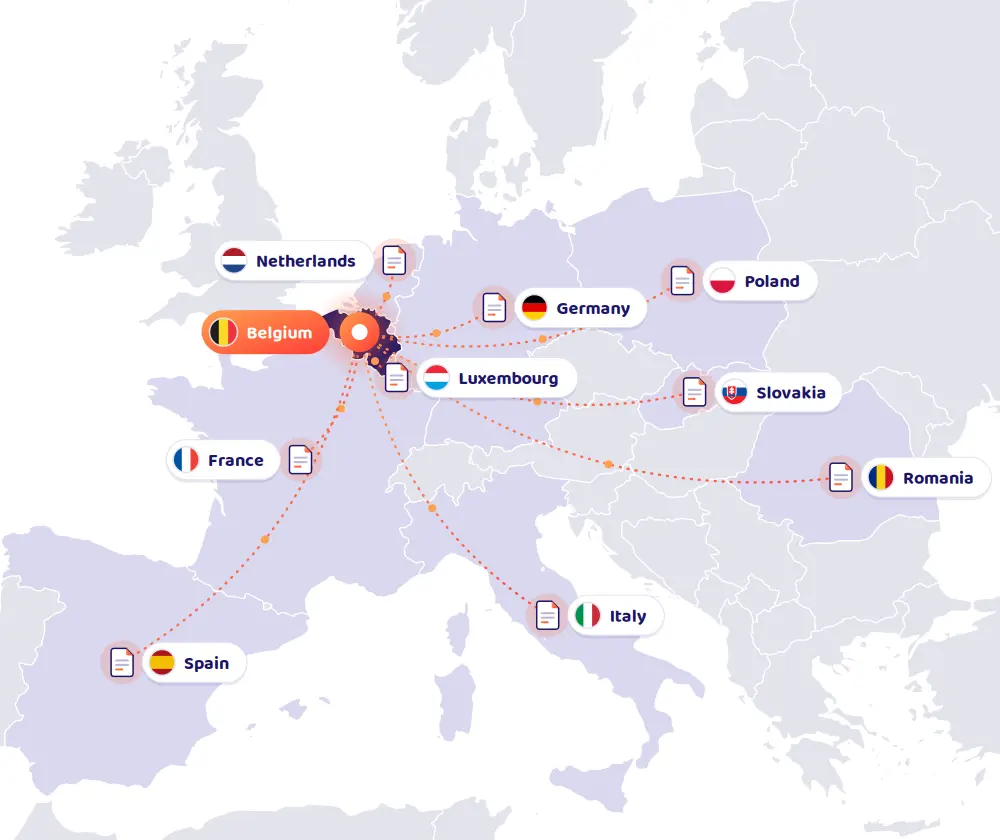
Every country has its own e-invoicing rules, formats and timing. Those obligations always apply to invoices within that country: in France for French transactions, in Poland for Polish ones. Do you have entities or customers in multiple countries? Then Nymus lets you handle all those local requirements from one platform.
Nymus connects with SAP, Microsoft Dynamics 365 Business Central and also with legacy or multi-ERP environments. You keep working in your own system, we make sure your invoices are sent and received correctly.





From wholesale to construction: discover how companies with high volumes and complex ERP landscapes automated their invoicing with Nymus.
Rexel is a wholesaler and distributor of electrical products and services, operating in the residential, commercial, and industrial markets. With about 1 million documents per year, scalability was a prerequisite. On top of that, Rexel works with a legacy ERP system full of exceptions, ranging from advance invoices to mandatory purchase orders and generic customer and GLN numbers.
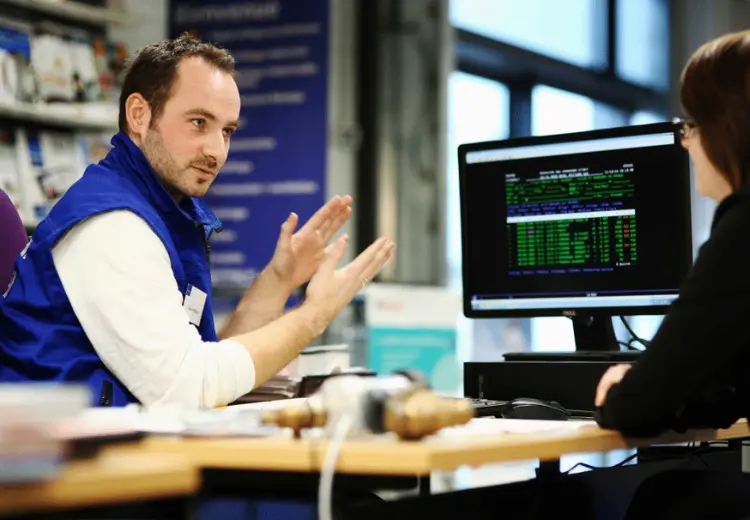
Besix is an international construction group that operates in several countries simultaneously. Invoices used to be processed manually and sent by email. Besix was looking for a single solution that would work across all those countries: scalable, compliant, and automated. Besix found that solution in Nymus.

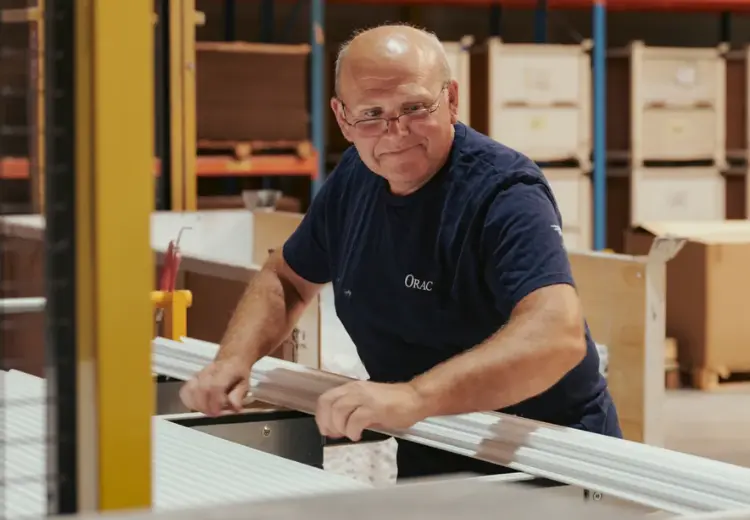
Orac is the market leader in architectural interior elements and sells its products worldwide. Using SAP, Orac must issue compliant invoices in nine European countries, each with its own regulatory framework, for both sales and purchase invoices. Orac chose Nymus as its primary partner for this entire international invoicing process.
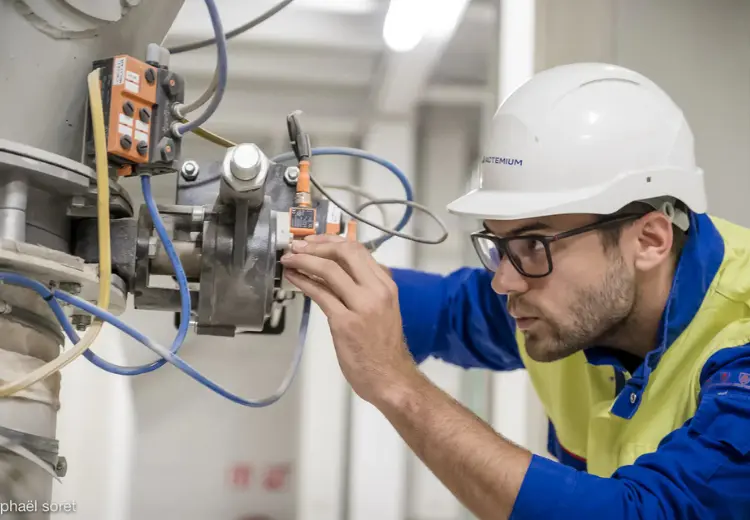
Actemium develops Operra, an ERP system for the agri-food sector. To enable its customers to send e-invoices, Actemium chose Nymus as the Peppol Access Point behind Operra. This allows Actemium to focus on its own product, while Nymus handles the entire Peppol and compliance layer.
Stuck with a provider with slow support, faulty integrations or poor data quality? Then switching feels like a big project. It does not have to be. Nymus guides the migration from start to finish, so your invoices keep flowing while you switch. Just getting started with e-invoicing? Then we will help you on your way just as well.
We map your current setup, ERPs and invoice flows and draw up a migration plan.
We connect Nymus to your ERP and test everything thoroughly in a test environment, until every invoice is sent and received correctly.
You switch over at a set moment. Your invoicing never stops for a single day.
E-invoicing is exchanging invoices in a structured digital format that software processes automatically. An e-invoice is not a PDF, but a data file that travels directly between accounting systems, usually via Peppol.
No. A PDF or scan is an image of an invoice that someone still has to process manually. A real e-invoice is structured data that your system processes immediately.
Yes. Since January 1, 2026, e-invoicing has been mandatory for domestic B2B transactions between VAT-registered businesses established in Belgium. Since April 1, 2026, penalties apply. Read more about regulations and exceptions on our compliance page.
Nothing, they are synonyms. E-invoicing is the English term most often used in the Belgian finance world. E-facturatie or elektronische facturatie is the Dutch equivalent.
In practice, yes. Peppol is the network through which structured e-invoices are exchanged in Belgium. You send and receive them via an Access Point such as Nymus.
E-invoicing is exchanging the invoice itself. E-reporting is sending invoice data to the tax authorities, planned in Belgium from 2028. Read more about it on our e-reporting page.
In a no-obligation conversation, we look together at what your invoice flows look like today and what e-invoicing can deliver for you. With an expert who understands your ERP and environment.