
Can I add attachments to a Peppol invoice?
When companies switch to e-invoicing via Peppol, sooner or later the question comes up: can I send attachments along with an electronic invoice? Think an Excel file, work orders, time […]
How AI and e-invoicing radically improve business processes
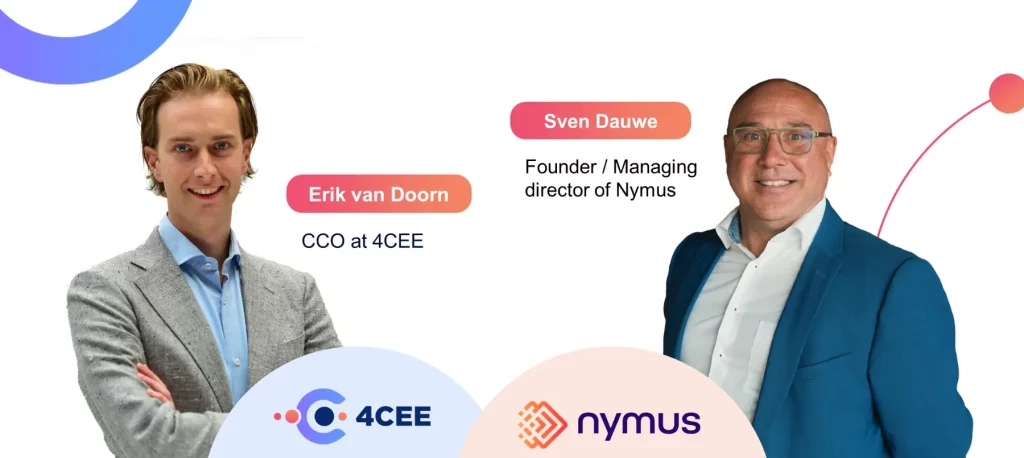
The data that can be collected via e-invoicing can be put to good use in optimizing business operations, think Sven Dauwe, CEO of Nymus, and Erik van Doorn, CCO of […]
Different VAT rates on your invoice: here’s how to process them correctly in Peppol
Anyone who sends invoices via Peppol knows that even the smallest deviation in structure can result in an error message. You especially notice this with invoices containing multiple VAT percentages, […]
Self-billing in Peppol
E-invoicing is evolving at lightning speed. Where it used to be mostly about moving from paper to digital, today it’s all about automation, efficiency and compliance. A concept that is […]
How does early payment discount work in e-invoicing and peppol?

In classic invoices, you often encounter them: cash discount or early payment discount. But what if you switch to e-invoicing or invoice through the Peppol network? Does that discount remain? […]
Non-PO invoices in Peppol & e-invoicing: how to handle it?

Non-PO invoices … almost every finance team finds them troublesome. They don’t come from a formal procurement process, no one is sure who should approve, and they often slow down […]
UBL BIS 3 explained: the standard behind Peppol
Every organization in Belgium will have to deal with it sooner or later: e-invoicing and the associated regulations. Behind the scenes, however, everything revolves around one central standard: UBL BIS […]
Fines of up to €5,000 for those not following e-invoicing rules

On July 8, 2025, the Royal Decree appeared making final the introduction of mandatory structured electronic invoices as of January 1, 2026. This will make Belgium one of the countries […]
E-invoicing mandatory in Belgium from 2026: what does this mean for you?

From Jan. 1, 2026, e-invoicing will become mandatory for companies in Belgium. This obligation comes on the basis of FPS Finance regulations. This means that from that date you will […]
How do you link your ERP system to Peppol without hassle?

More and more companies are turning to e-invoicing via Peppol. Especially now that e-invoicing will become mandatory for B2B transactions in many more European countries, it is essential to have […]